

Making a Welsh Lovespoon is more than just woodworking, it takes patience, love, and dedication to many hundreds of years of tradition. These lovespoons are stunning works of art and symbolism, and each is a one-of-a-kind expression of craftsmanship and feeling.
Whether you’re a novice who wants to learn the old ways of carving traditional Welsh lovespoons, or an experienced carver looking for advice on mastering the likes of Welsh dragons, a sweetheart’s knot, or a ball in a cage, you’ll find some of Wales’s most popular lovespoon designs here. From choosing the right piece of wood to putting on those final touches, you’ll come to understand why these hand-worked pieces of art have captured the hearts of so many around the world.
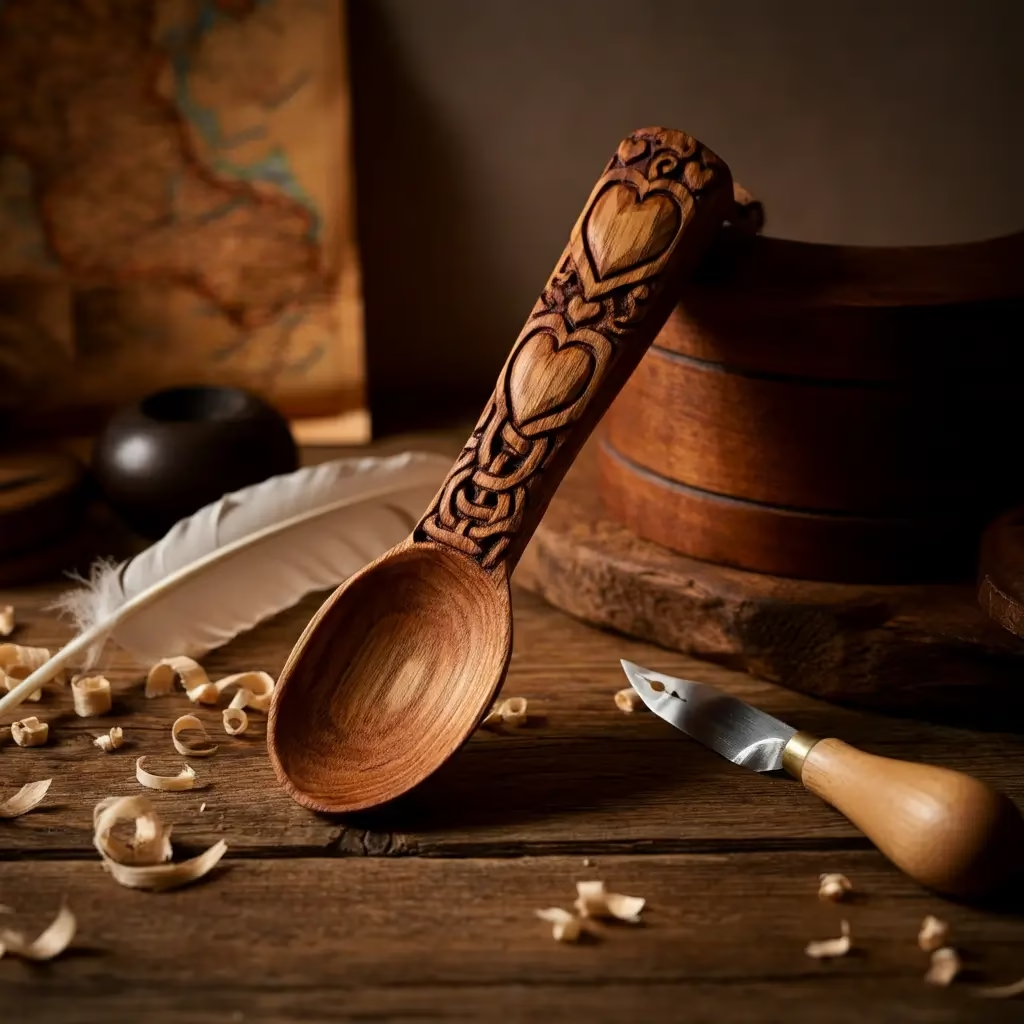
The Art of Lovespoon Crafting
Welsh Lovespoon carving is one of the oldest romantic traditions in the world and as one of the most beautiful achievements of tradition woodcraft in Wales, it has been adopted by the other nations of the UK. Artisans have been working with blocks of wood for well over 400 years to create intricate representations of love, hope and fidelity. The ancient tradition evolved when young Welsh men had to find ways of expressing their feelings whilst showing how much they were able to provide towards potential marriage.
The traditional Welsh woodworking methods developed through generations of masters passing knowledge to apprentices. Every carver brought something of his own to the tradition, subtly changing the craft while conserving its basic identity. This evolution accounts for why 21st century lovespoons bear a striking similarity to those so cherished in Welsh history – propelled into the future by traditions of the past.
Learning how to craft these beautiful spoons illuminates the importance that Welsh culture places on craftsmanship, commitment and heartfelt artistry. The art of hand carved lovespoon making requires a blend not only of hand skills, but also a knowledge of the symbolic language that lets each spoon speak to you.
Tools and Materials Needed
Lovespoon carving starts with having the proper tools and materials. The old carvers used a minimum of tools, and those were quickly sharpened to a razor edge and then simple enough to allow the easiest freedom of hand or wrist
Essential Carving Tools
The main tools used in creating a Welsh Lovespoon are sharp chisels of differing sizes, gouges for making curved cuts and a carving knife for fine details.
A strong mallet will help push chisels through denser areas, while coping saws allow for intricate cuts around detailed designs. Today’s carvers will often add to this foundation with rotary tools for more detailed carving, though purists use hand tools only.
Wood Selection
The kind of wood is very important for the both carving and finished results.
Sycamore is the classic favourite for its tight grain, light creamy colour, and wonderful carving ability. Big and strong Oak for toughness, and interesting grain patterns, and Cherry for great natural colour that age well. The first timers often work with basswood or butternut, which carve easily and forgive small mistakes.
Supporting Materials
In addition to the tools and wood, ambitious carvers will want sandpaper of differing grits, finishing oils or waxes and carbon paper to transfer designs. A good light and a comfortable work area allow for hours of comfortable carving.
Step-by-Step Lovespoon Carving Process
Mastering a few of the key stages is the trick to getting to grips with carving a Welsh Lovespoon. This step-by-step lovespoon crafting guide divides the process up into manageable stages.
Step 1: Designing the Lovespoon
Begin drawing your design on paper, thinking about which symbols you’re going to use and how they will relate to each other. If you don’t the symbol meaning, you can refer a detailed guide on Traditional Lovespoon Symbol Meaning.
Pick something that resonates with your story; hearts for love, chains for unity, Celtic knots for eternal bonds. Place your design on the wood and transfer it using carbon paper.
Step 2: Preparing the Wood
Choose a chunk about 2 x 3 x 12-15″. Look for knots or cracks. Lightly sand and clamp in carving vise.
Step 3: Whittling the Base Shape
Cut around your design with a coping saw. Start shaping the bowl of the spoon with gouges, and work your way hand-held to final depth. Decor and shape handle while keeping thick enough for decoration.
Step 4: Adding Symbolic Details
This part takes the most finesse and patience. Begin with simple parts organic to hearts then move on to more complex parts.
Carved chains require very sharp tools and very steady hands. Each link has to be gingerly unhooked without snapping. Celtic knots need to be calculated and distributed correctly in order to be in proportion.
Step 5: Sanding and Smoothing
Start with 120 grit sandpaper to take out the tool marks and work your way through the finer ones (220, 320, 400).
Focus particularly on inside curves and intricate parts. Folded sandpaper and sanding sticks can be used to sand hard to reach areas, or if you need to apply more pressure.
Step 6: Finishing Touches
Use the natural oil such as linseed or tung and apply a thin coat, let it dry. Better to apply several thin coats than one single heavy coat.
Also, some carvers like wax finishes for their mellow lustre and smooth touch.
Challenges and Tips for Beginners
Lovespoon carving for beginners focuses on simple projects to help carve skills. So cut basic stuff and learn how to manoeuvre your tools before you go for fancy bits? And keep tools sharp, dull ones require more force and tend to slip.
Get involved with woodworking clubs in your area or find an experienced carver to teach you. Personal support makes learning faster and spares you the mistakes known to make complete beginners quit.
Modern Innovations in Lovespoon Crafting
The modern-day Welsh Lovespoon is made while working with both traditional and new technologies. Carving some carvers use rough shaping power tools, and detail work using hand tools. Laser engraving makes it possible to add highly detailed text or artwork that would be nearly impossible to accomplish by hand.
When designing inlays, complicated patterns can be visualized with computer-aided design software before they are cut into wood. Technology may advance, but the timeless appeal of homemade wooden gifts endures as long as the hand-power to produce them. People love turning out something with a personal touch the old fashioned way!
Where to Learn Lovespoon Carving
Lovespoon workshops in Wales offer immersive experiences combining instruction with cultural context. They teach basic tool use, rudimentary skills and some of the history behind it while you work on simple projects.
There are lovespoon making workshops in Wales from one day starter sessions to several weeks of intensive time. A lot of them also include tours of museums where attendees can look at outstanding examples of workmanship.
The alternatives online options are available for those who cannot travel. With video tutorials and Zoom workshops, you can learn to carve Welsh Lovespoons from anywhere.
Preserving the Language of Love
Learning about the process of how Welsh Lovespoons are made links us to generations of Welsh craft. Any carver who perfects his love spoon carving skills becomes part of an unbroken chain down through generations of craftsmen. This tradition persists because every generation brings new skill sets to invest the effort to preserve this skill.
Conclusion
Carving lovespoons is not just about working with wood – it helps carvers connect to their Welsh heritage and culture while they fashion lasting representations of love.
Whether planning your first lovespoon or simply understanding this craft better, please keep in mind that every master of woodcarving held chisels and gouges for the first time. These treasures of wood that share expertise, artistry, and depths of emotions will continue to touch hearts through the centuries.
Leave a Reply